Shot peening is an essential process used in many fields, like construction, aviation, and more. But it’s not the only option for metal strengthening.
WPC may be a better option if you are looking for a finer method of improving the durability and lubricity of automotive engine parts.
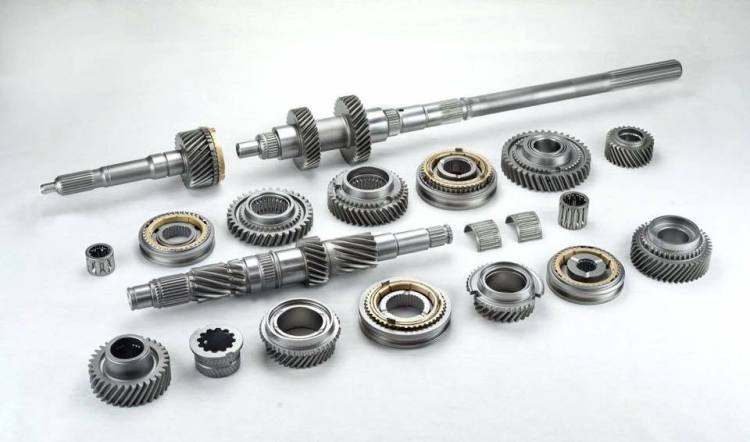
WPC uses ceramic spheres that are fired on the metal surface at high velocity. WPC has been used extensively in engine parts for motorsports around the world, so it is gaining popularity worldwide.
Case studies have proven that WPC reduces costs by reducing engine wear, and maintenance costs, and improving fuel efficiency.
How is WPC different from regular shot peening?
Shot peening is a process where small shots are used to make changes in the surface of the metal. This process will make the metal last longer in the long run, which is important when making important machines like cars and planes.
So, shot peening seems like a great idea. Yes, it does. But what if I tell you there is an even more advanced method to improve the durability and lubricity of automotive engine parts?
I am talking about WPC or the micro dimple process, where ceramic spheres are fired on the metal surface; however, the balls are almost microscopic, and the velocity at which they are bombarded is much higher than shot peening.
WPC enhances the metal durability by providing compressive strength and high lubricity due to micro-dimples and their capacity to hold lubricants well
Cost Benefits of WPC in the Automotive Industry
WPC is a much more advanced process than shot peening. Shot peening is dead simple. You put small shots on the surface of the metal, but WPC is done by putting microscopic ceramic spheres on the surface of the metal.
With WPC, you can reduce engine wear and maintenance costs. Fine shot peening has been proven to give an average of 15% fuel efficiency improvement in engines. This will not only help you save money on fuel but also make your car lighter for better performance and handling.
The cost benefits of WPC are so high that more and more car manufacturers are switching to this process for their performance cars and trucks for better mileage, less engine wear, and easy maintenance.
Conclusion
Shot peening is an industrial process that increases the thickness and surface area of metal parts by causing small indentations in the metal surface.
WPC, on the other hand, is somewhat similar, but utilizes microscopic media and fires them at high speeds.
Unlike shot peening, which is a slow and expensive process, WPC is able to increase metal thickness and surface area in a matter of hours for a much lower cost. With so many benefits, it’s no wonder that WPC is now better than shot peening and continues to gain popularity with automotive experts.
 DDC News